Das weltweite Magazin und der Marktplatz für Oldtimer-Enthusiasten – von Enthusiasten.
Das weltweite Magazin und der Marktplatz für Oldtimer-Enthusiasten – von Enthusiasten.


Filter
Auswahl treffen
- Autos
-
Marke >>
-
Baujahr >>
-
-
Kategorie >>
-
Länder >>
- Motorräder
-
Baujahr >>
-
-
Standort >>
- Teile
-
Automarke >>
-
Hersteller >>
-
Kategorie >>
-
Länder



From Paris to Calcutta and back

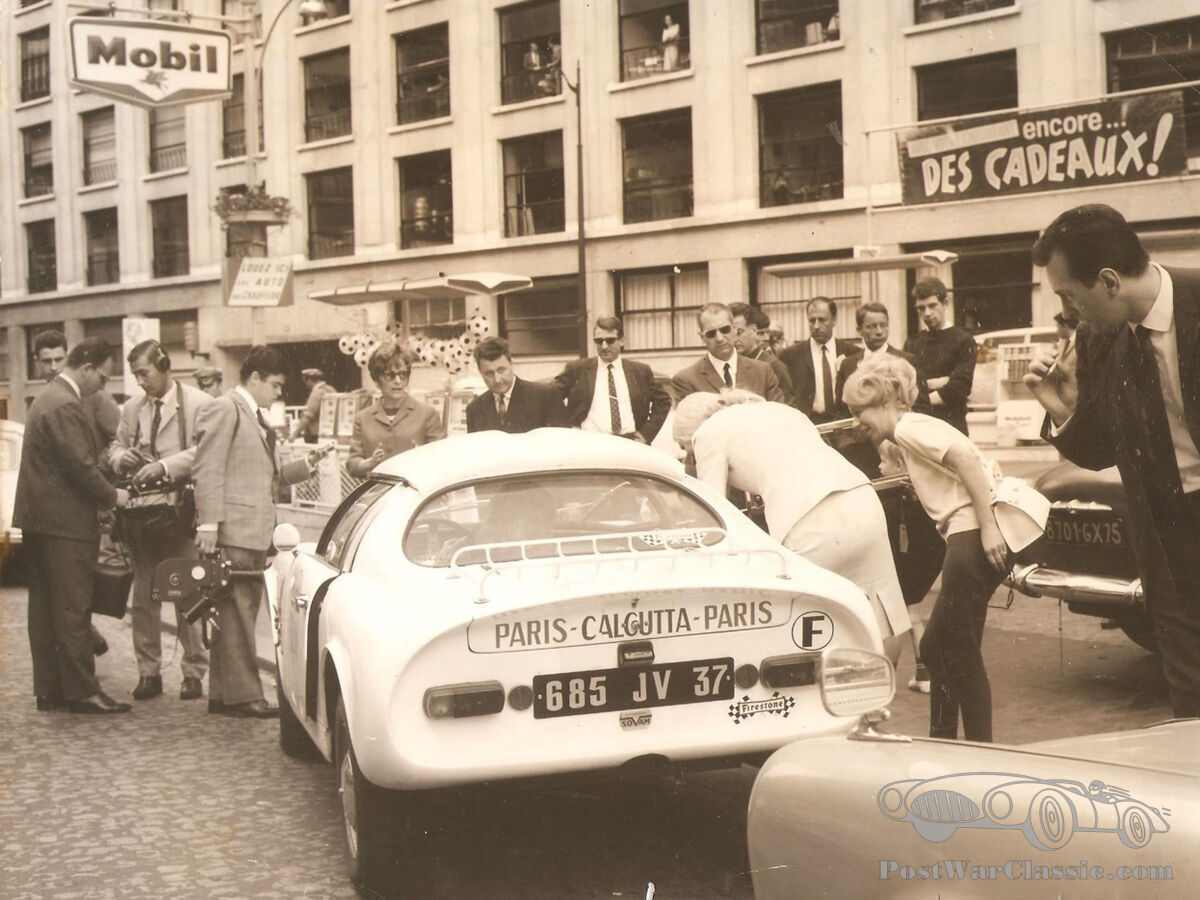
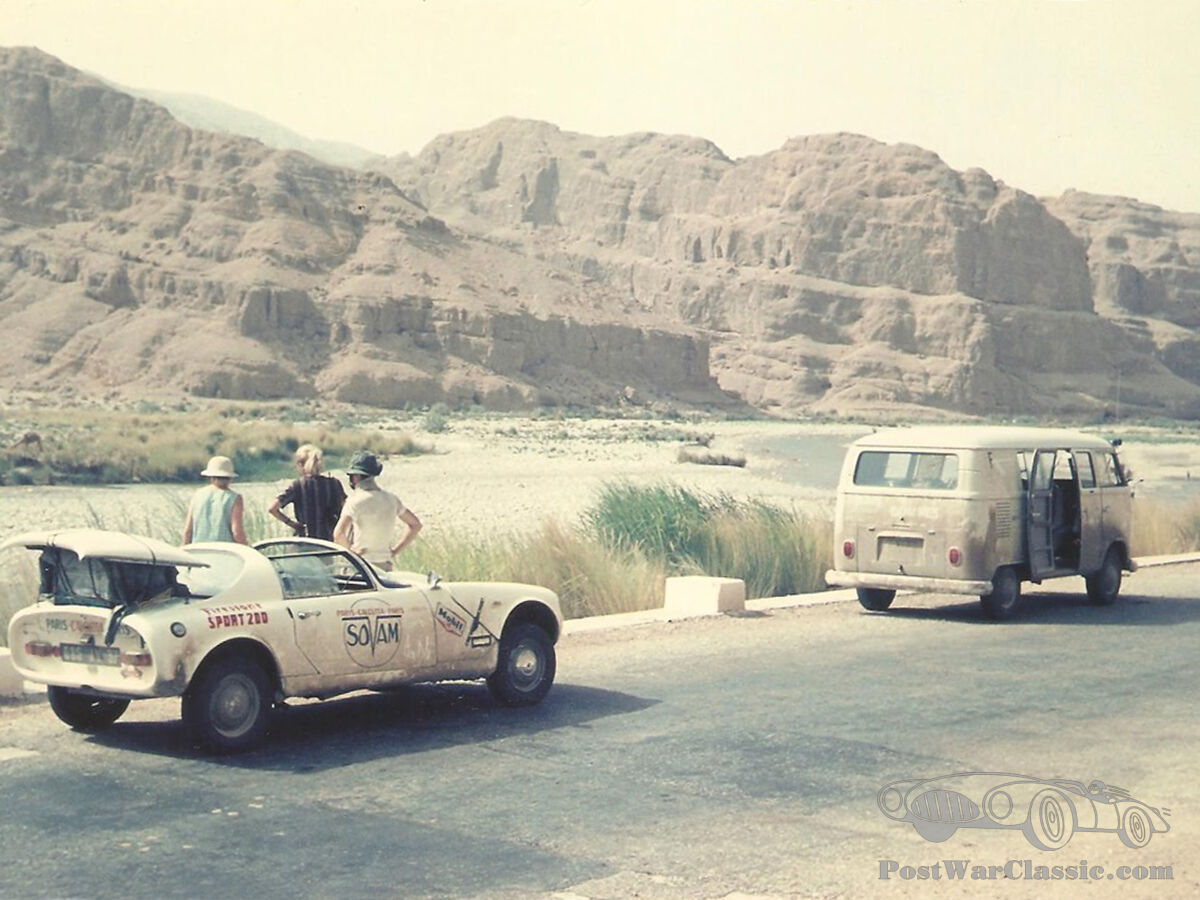
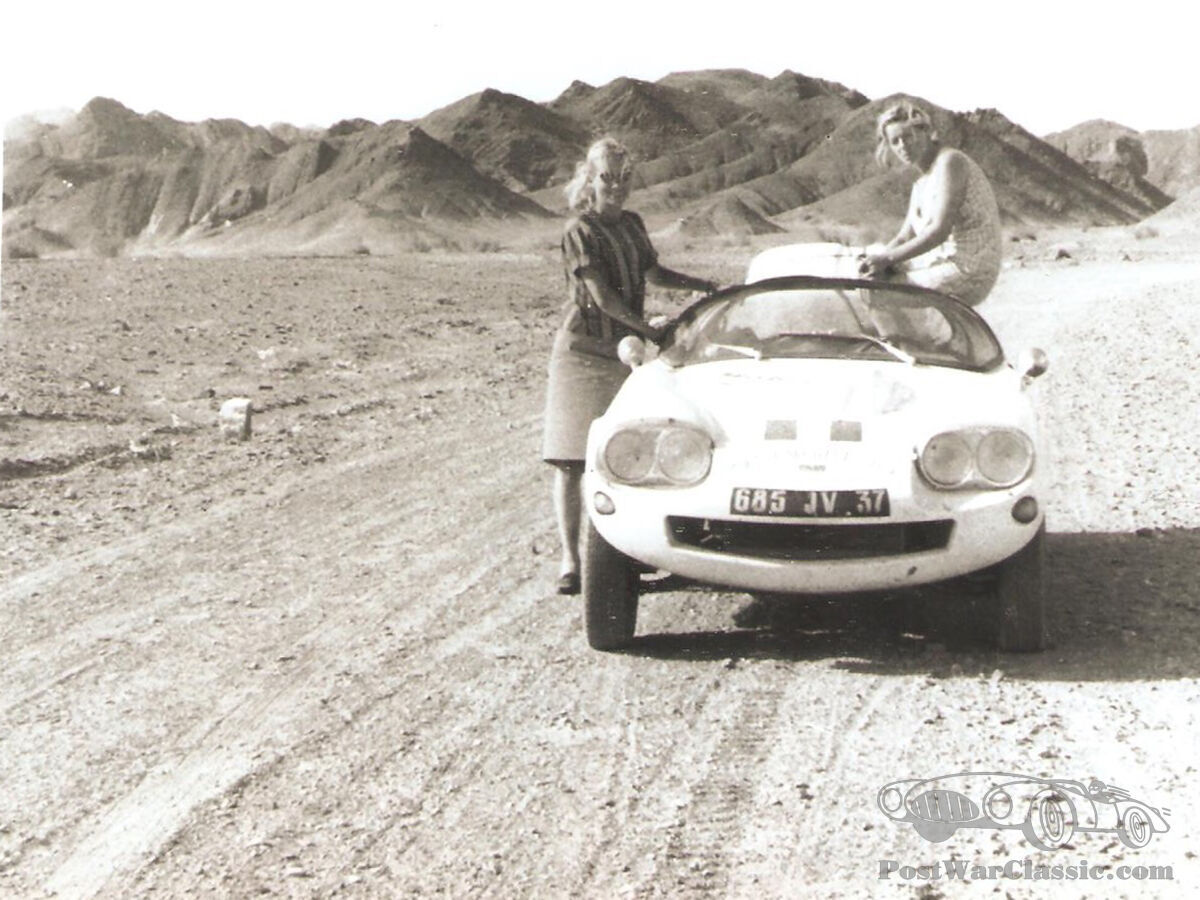
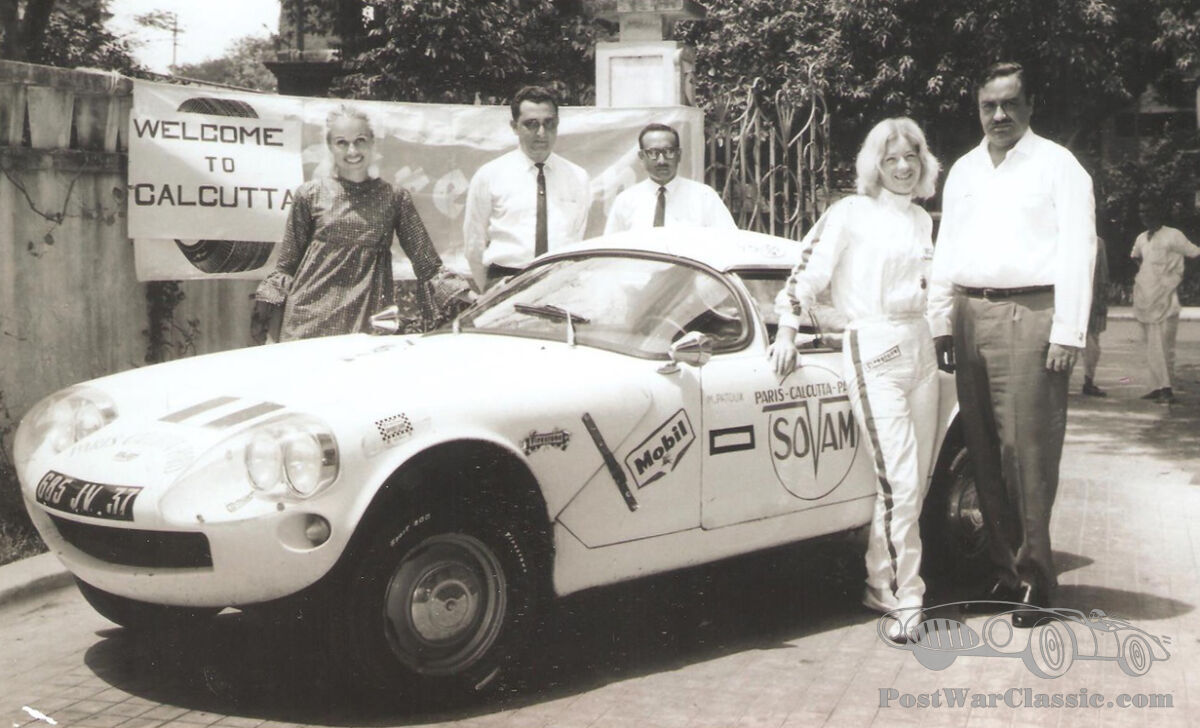


The cars built by Jacques Durand are rather like hidden gems outside their native France. They came to life at a time when any optimistic motor manufacturer could simply get started in their parents’ garage or a nearby shed. Durand did just that and came up with a number of low-volume but wonderful specialist sports cars between the mid-1950s and the mid-1970s.
He started with the gull-winged and Renault 4CV-powered Atla, but there was also the pretty Panhard-powered Sera convertible and even prettier Arista coupé, the low and rear-engined, Renault R8-powered Jidé and ultra-sporting and Gordini-powered Scora. Durand’s best-known automobile was probably the two-plus-two coupé designed and built under the Sovam (Société des Véhicules André Morin) banner and made in a co-operation with commercial vehicle manufacturer André Morin. This car was initially built around the humble 845cc Renault 4L engine when unveiled in Paris in 1965, but it soon received 1100 and 1300cc Gordini engines, too. The model was named the Sovam Voiture de Sport (VdS) - simply Sports Car in French - and the oddly shaped fibreglass body featured the windscreen of Renault’s Floride positioned upside-down.
To draw attentiont to the car, the manufacturer came up with a brilliant marketing stunt in 1966. He had a car prepared for a drive from Paris to Calcutta and back with two pretty blonde women behind the wheel. This was a 45hp standard 850 model with three-speed gearbox, with the main tweaks being made to its suspension. The lady drivers were Maïté Patoux and Chantal Bernard. Patoux was quoted several years ago: “I was interested in this challenge. I like cars, I like adventure, and I was getting paid for it. What's more, I was going to be able to go to Afghanistan and hopefully see the famous Afghan dogs there. It was crazy, yes, but an opportunity of a lifetime.” The trip must have been a harsh one, though, with temperatures reaching 50 degrees Celsius (122 degrees Fahrenheit) in India, the threat of war in northern Afghanistan and no fewer than 24 punctures being reported on one day in Iran! But the girls made it there and back in 70 days, just in time for the Paris Motor Show of October ’66. What a trip that must have been.
Sovam sold fewer than 150 of their coupés, so we suppose it wasn't quite the success it had hoped for, but the Calcutta car survives in the hands of the Sovam Club’s president and was reunited with Maïté in the 2000s.
Words: Jeroen Booij; pictures: deRivaz & Ives
Publiziert:
Donnerstag August 31st, 2023
Facebook
LinkedIn
Twitter
WhatsApp
Email
Copy
Kommentare
Jaco Dijkshoorn
10 September 2023, 08:55
I remember a white Sovam driving through Maassluis in the Netherlands. The office of Motim was there. It was driven by a gray hired lady who run the company. The showroom was at Motorhome Henk Vink in Maasland.
Weiter lesen
Fons Alkemade
05 September 2023, 01:42
Passenger car production may have been limited at Sovam, but the firm was able to survive because it also built other products such as moving market stalls and moving stairs for aircraft. A very small percentage of car production ended up in the Netherlands. I once wrote about this because I know one of the people who bought a Sovam from importer Motim in the late 1960s. His car unfortunately caught fire one bad day, turning part of the bodywork into a tangle of wires. Nevertheless, this Sovam was later made drivable again.
Weiter lesen