Das weltweite Magazin und der Marktplatz für Oldtimer-Enthusiasten – von Enthusiasten.
Das weltweite Magazin und der Marktplatz für Oldtimer-Enthusiasten – von Enthusiasten.


Filter
Auswahl treffen
- Autos
-
Marke >>
-
Baujahr >>
-
-
Kategorie >>
-
Länder >>
- Motorräder
-
Baujahr >>
-
-
Standort >>
- Teile
-
Automarke >>
-
Hersteller >>
-
Kategorie >>
-
Länder



Communist Party cruiser: historic Soviet ZIS comes to market
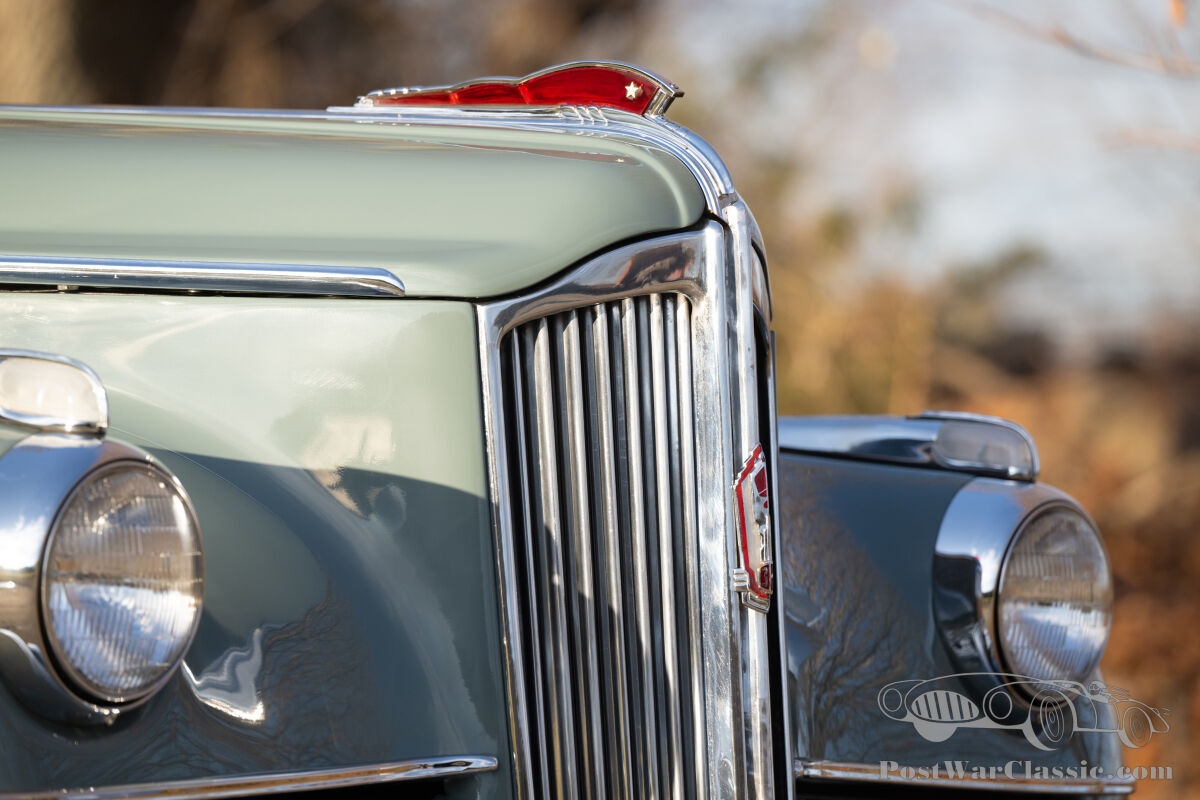
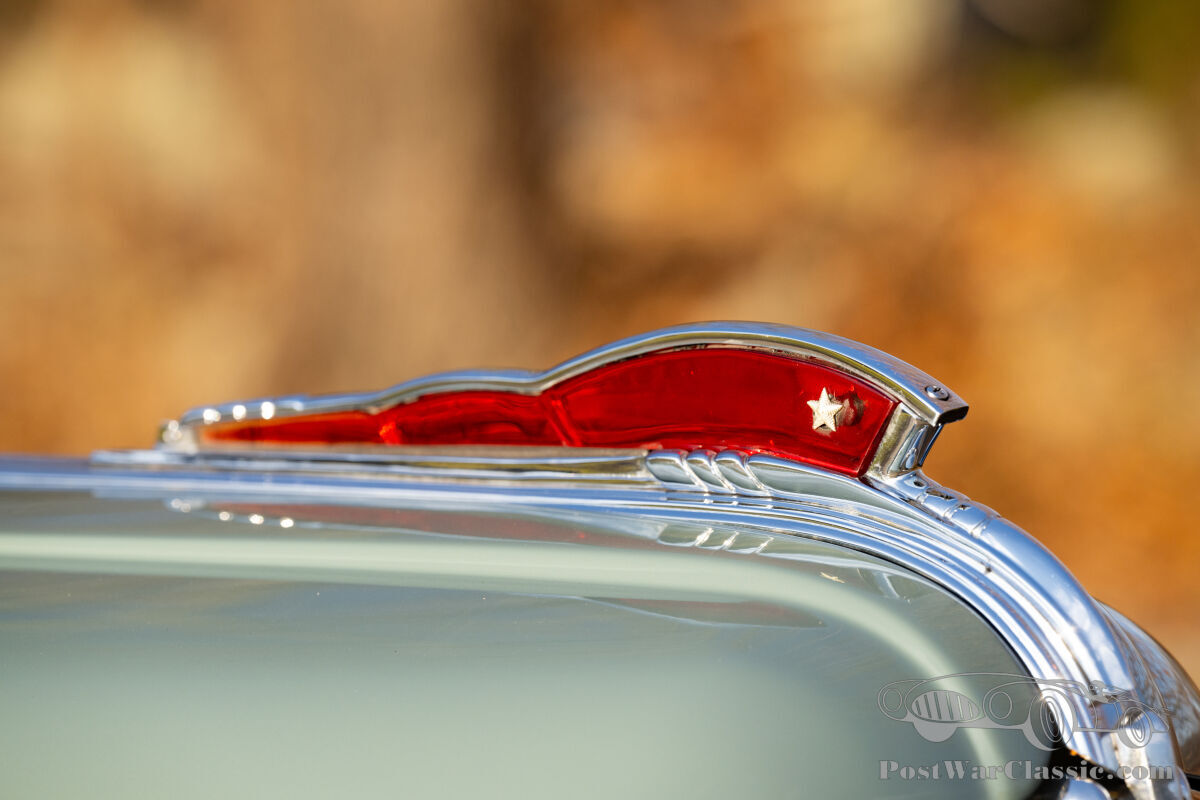
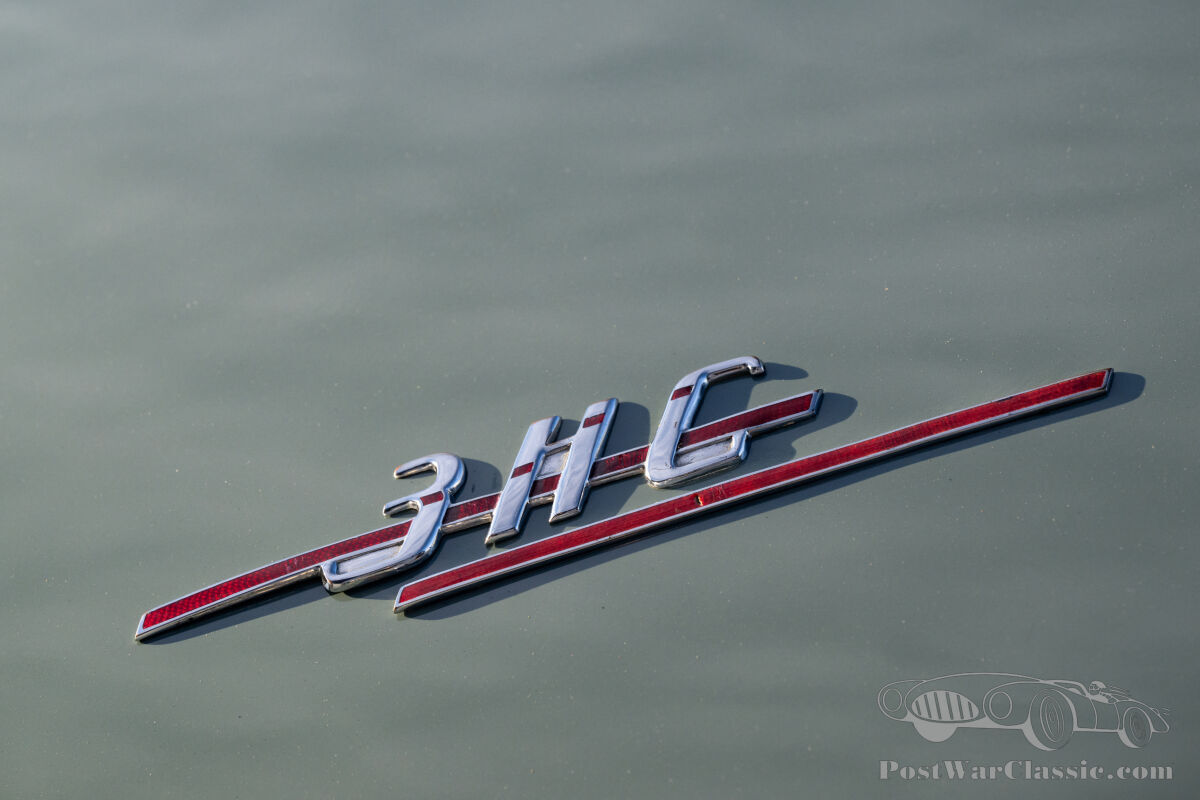
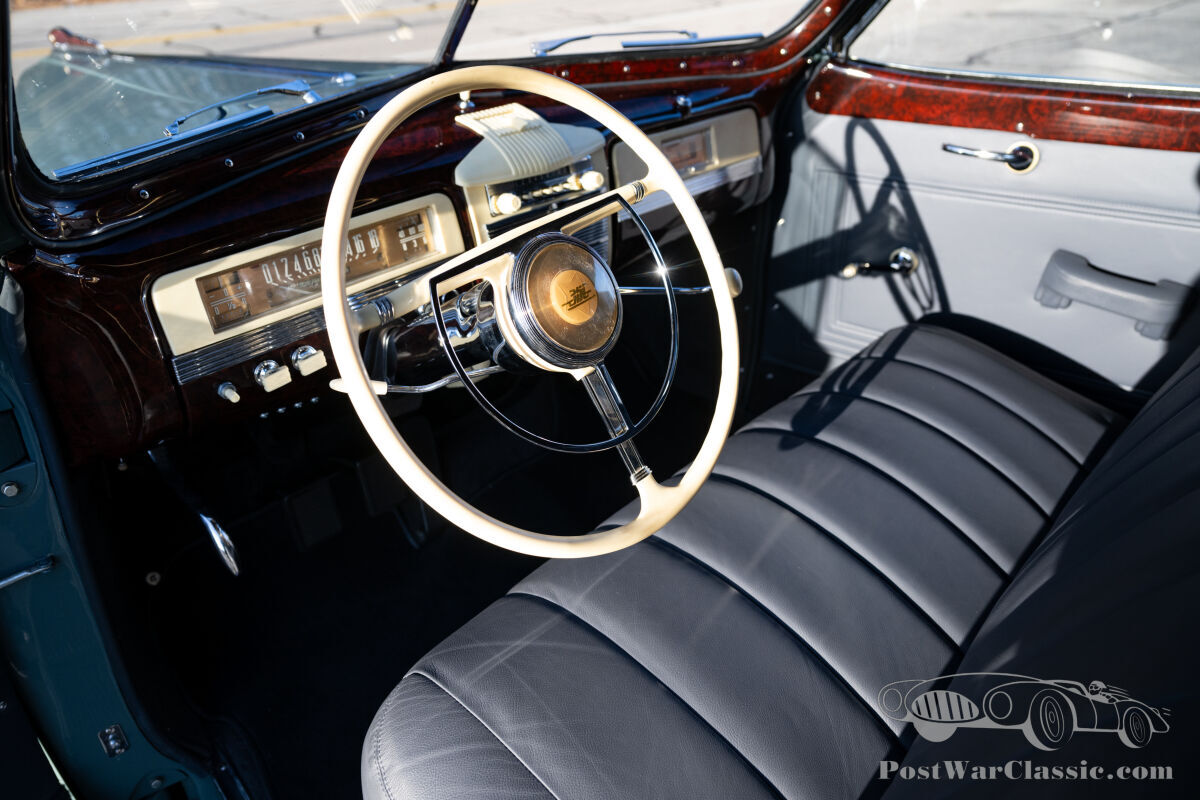


While western Europe and America reeled from the losses incurred during the Second World War, and entered a period of major upheaval which would in part lay the foundation stones for the remainder of 20th-century history, Joseph Stalin reverted to the business with which he had always been occupied: the ruthless westward expansion of Soviet communist rule across Europe, with the end goal of a global hegemony.
Soviet hegemony depended very much upon Soviet power—power which could not exist unless it was seen to exist. While this power was applied practically, with the cruellest punishments contrived for critics of the Stalinist régime, it also assumed its own æsthetic language. The name and ideals of Stalin were to be seen in everything, from factories to humongous government palaces, in which the power of the Soviet state could be immediately seen and understood.
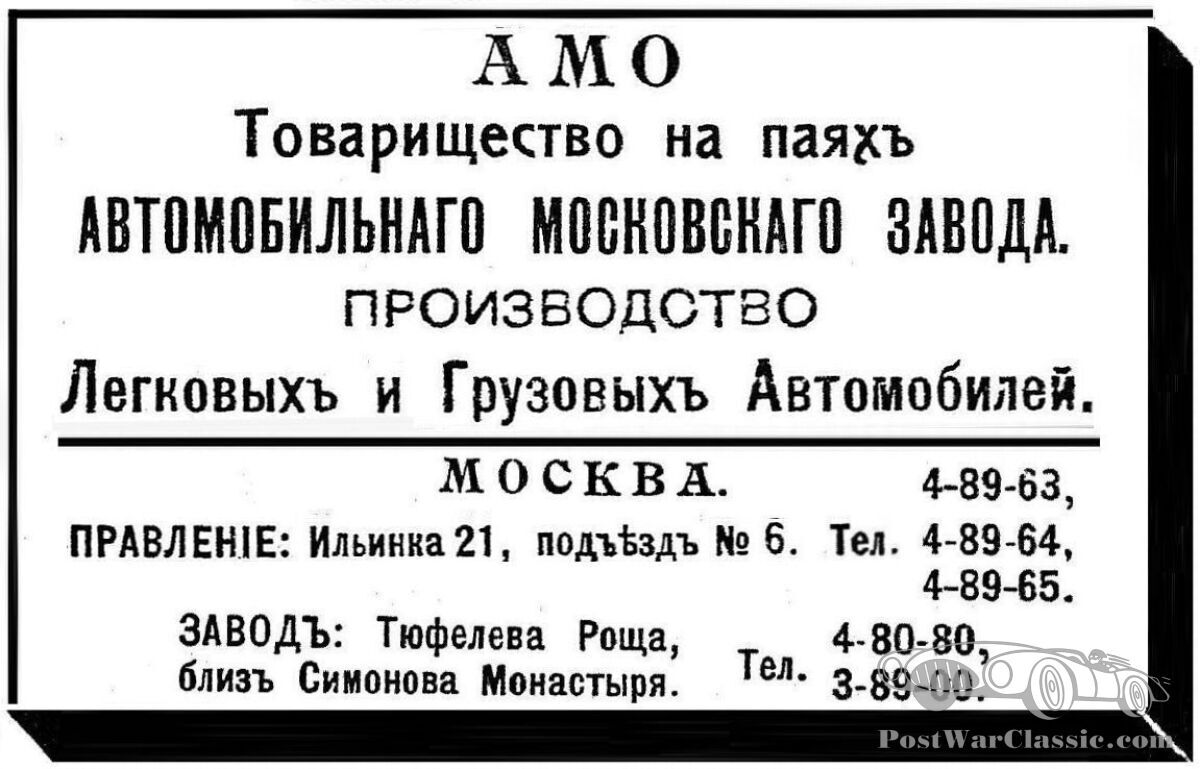
After architecture, car design has been perhaps the chief medium through which post-war cultures have expressed themselves, hence the ZIS was such an important project for the USSR. Zavod Imieni Stalina (literally 'Factory Named for Stalin') was formed between 1929 and 1931 from the reorganisation of the AMO (Automobile Society of Moscow) Works, which produced lorries, but from 1936 it became a car maker as well, tasked specifically with building large, luxurious limousines for the use of high-ranking Soviet officials, beginning with the Model 101 of 1936. Even at this early stage, the USSR was committed to proving itself technically and ideologically superior to American capitalism, which it could only attempt to do by copying American designs, and the 101 was heavily reverse-engineered from the Buick straight-eights. Each one was built to a special order from the government, making them extremely expensive to produce.
A Packard for the Politburo
Despite the wartime disruption to activity, plans for a new model, the ZIS 110, are said to have been mooted as early as 1942. What eventually appeared towards the end of 1945 was in one respect an all-new car, but in another respect a close copy of the 1942 Packard Super Eight 180. Some say a Russian delegation had quietly purchased Packard body dies from the Briggs Motor Body Corporation in Detroit, others that Roosevelt had induced Packard to send its blueprints to Stalin, who was said to have openly admired Packards, as a goodwill present. Whatever happened, ZIS found a way to avoid the trouble and expense of producing its own design from scratch. It was not an exact copy, however. ZIS modified all the tooling to some degree, so that no parts between the 110 and the Packard are interchangeable. In some small details, it may even have been influenced by Cadillacs or Buicks.
The straight-eight, 137bhp, 6,002cc side-valve engine and three-speed synchromesh gearbox in the 110 were also very like Packard's, and it proved to be the perfect car for Soviet statesmen. The sight of a convoy of long, black ZIS limousines was enough to inspire a sense of tremulous awe in the poor citizens of the Soviet bloc, who had no way of telling that their leaders' statement of prosperity was really a thinly-veiled copy of vehicle which was produced much more cheaply, and made far more freely available, in the West.
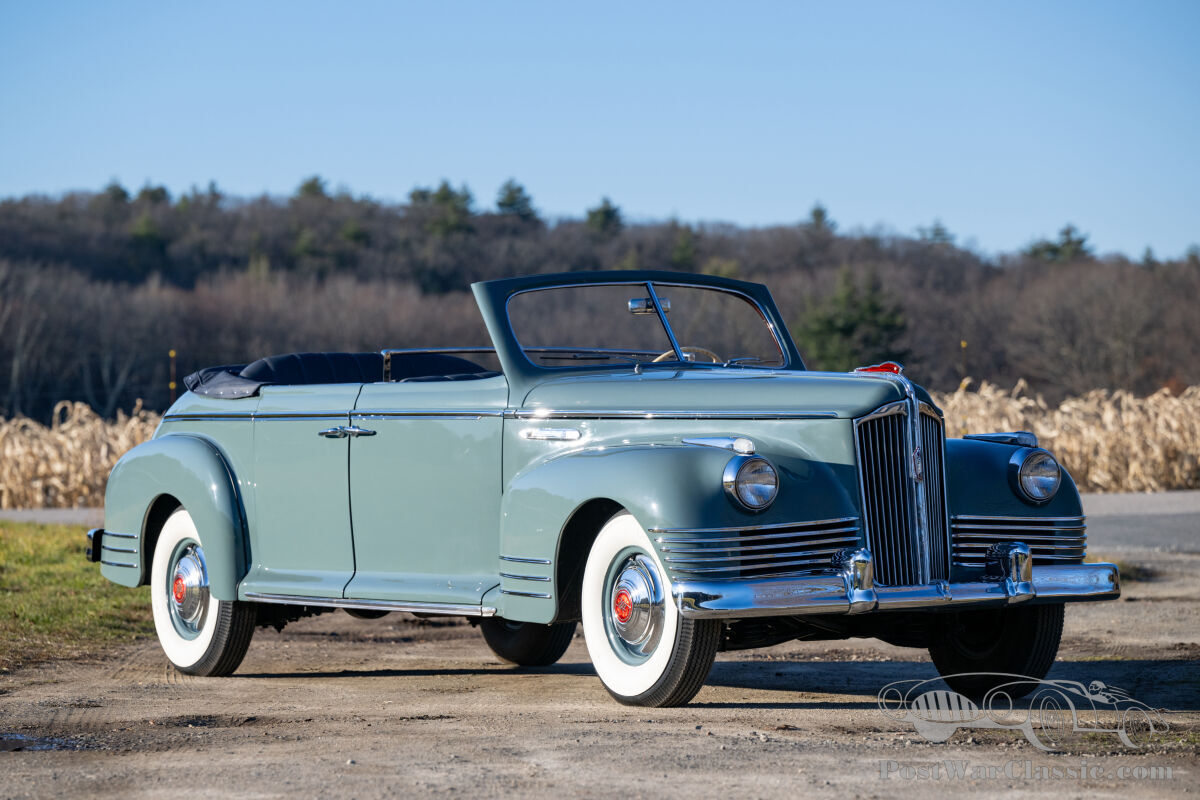
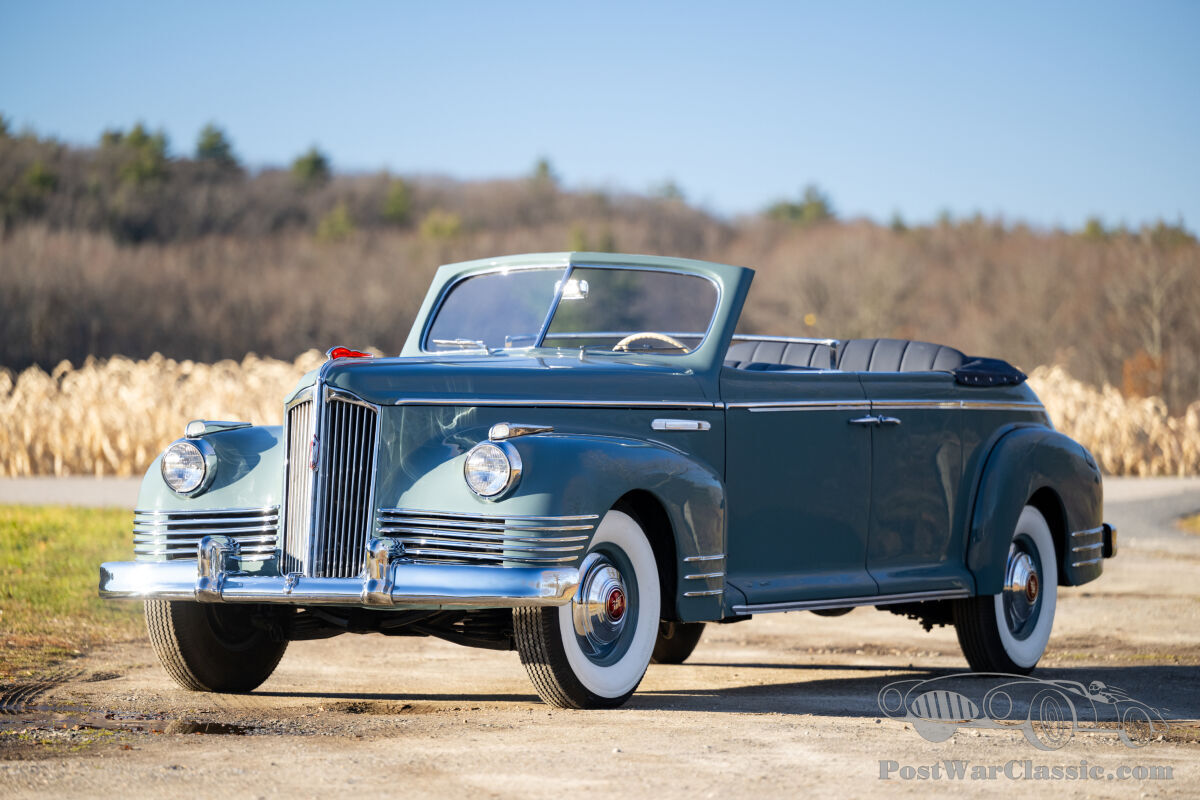
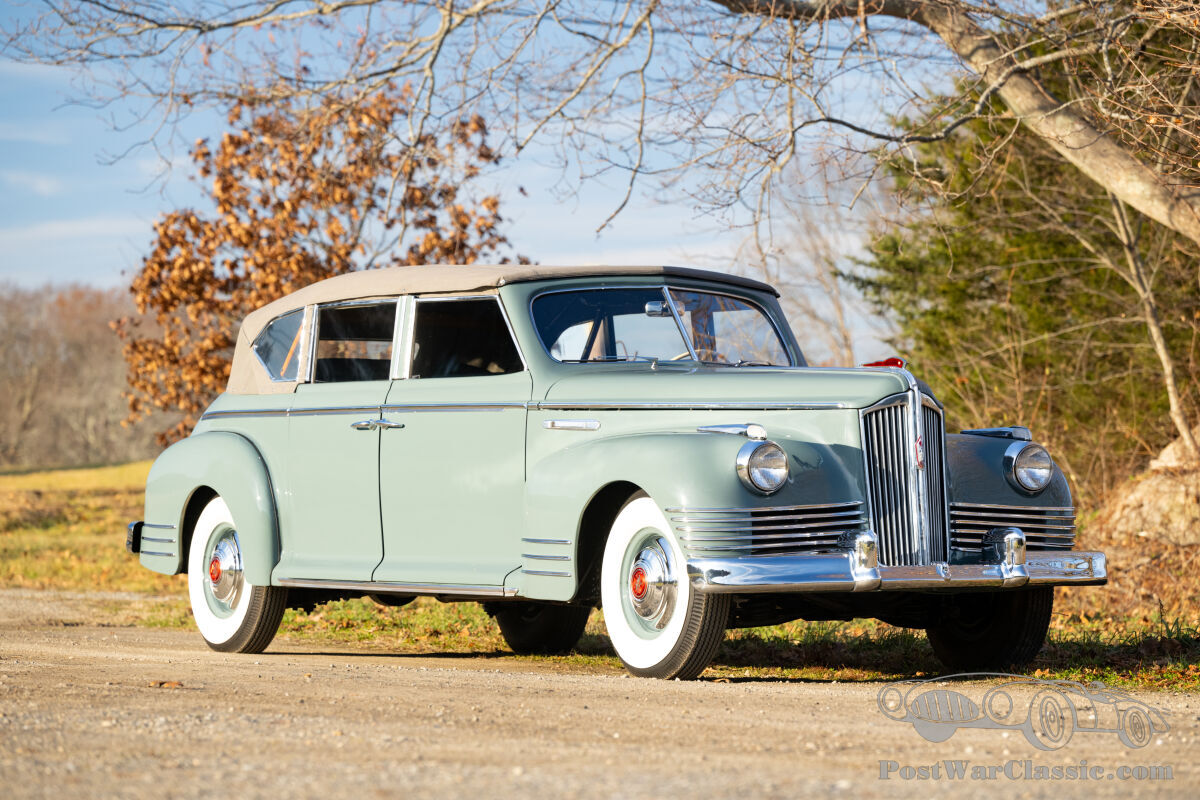
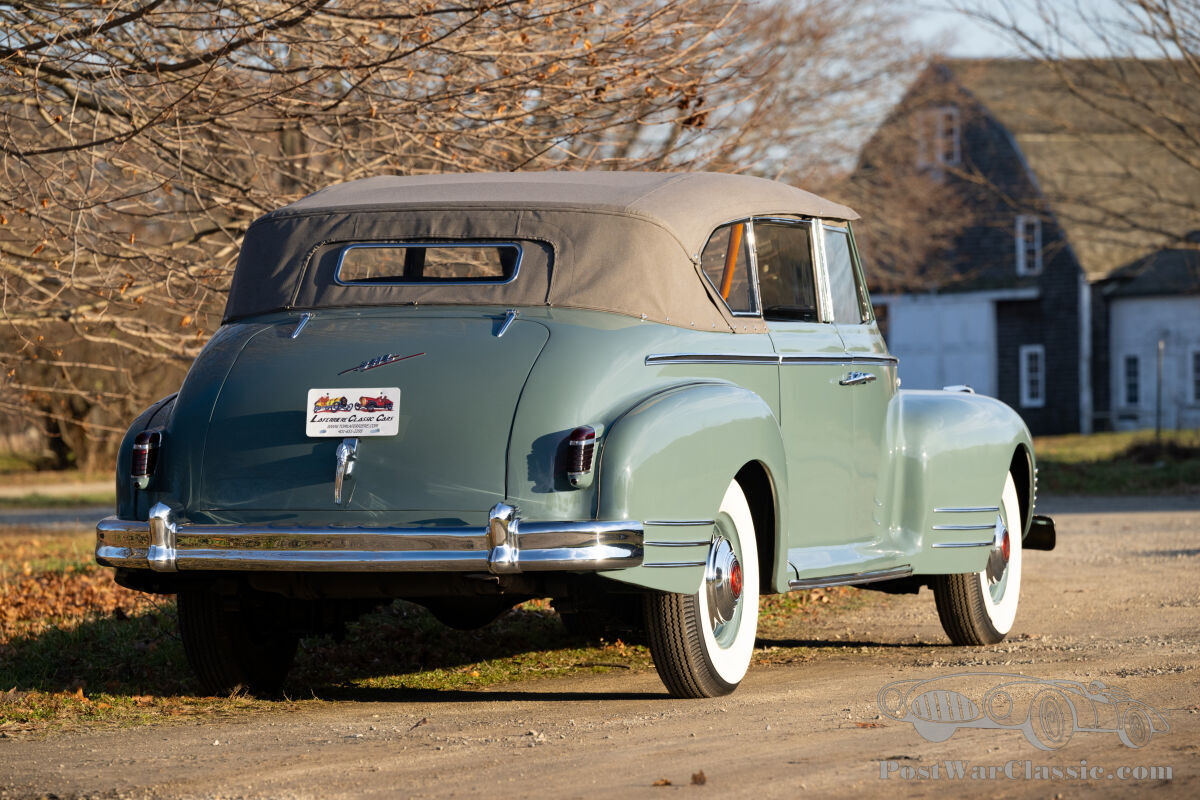
Still, to be able to travel in a ZIS in the USSR was a great privilege, and a real perk for ministers who got to enjoy a sense of luxury almost unimaginable to the vast majority of Soviet citizens. Sleek, handsome and powerful, a ZIS 110 limousine was an object much to be desired, but a few extremely figures were in even better luck: for official parades, formal ceremonies and other important state occasions, some of the most senior officials travelled in a ZIS 110B phaeton, like the example presently for sale in America with Laferriere Classic Cars.
A one-of-a-kind survivor
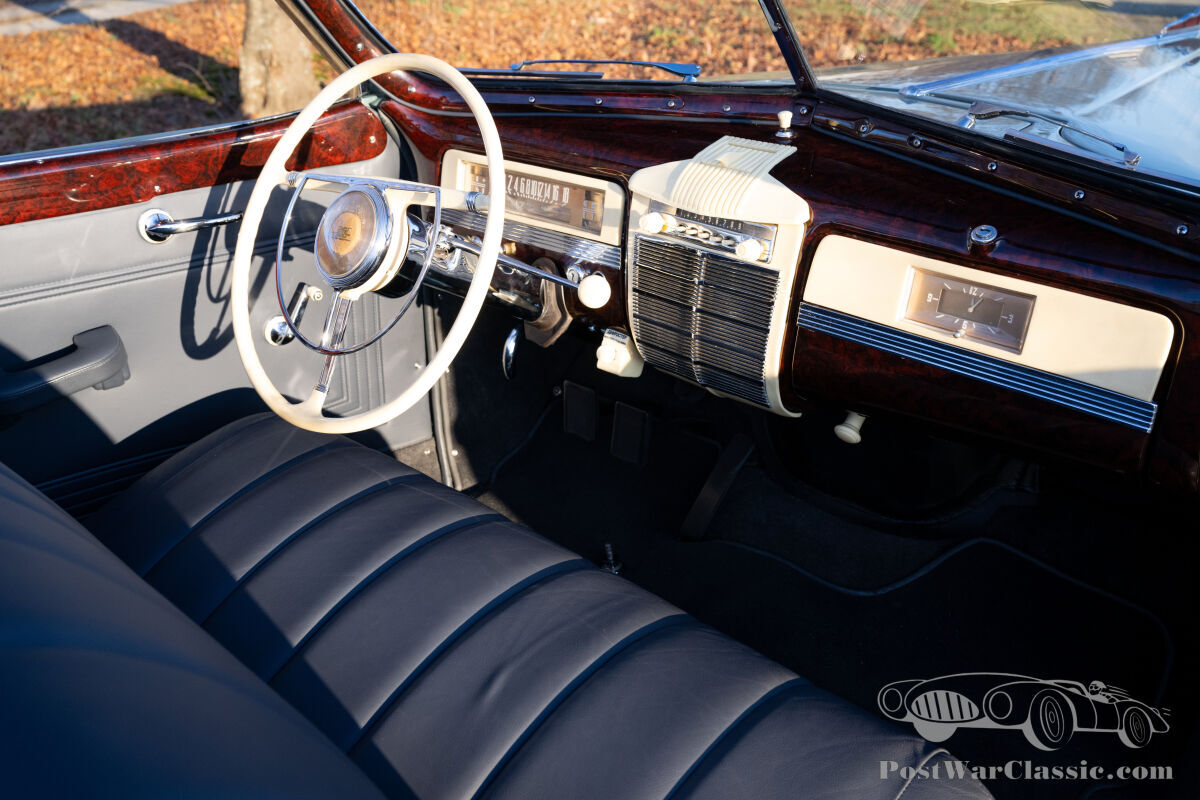
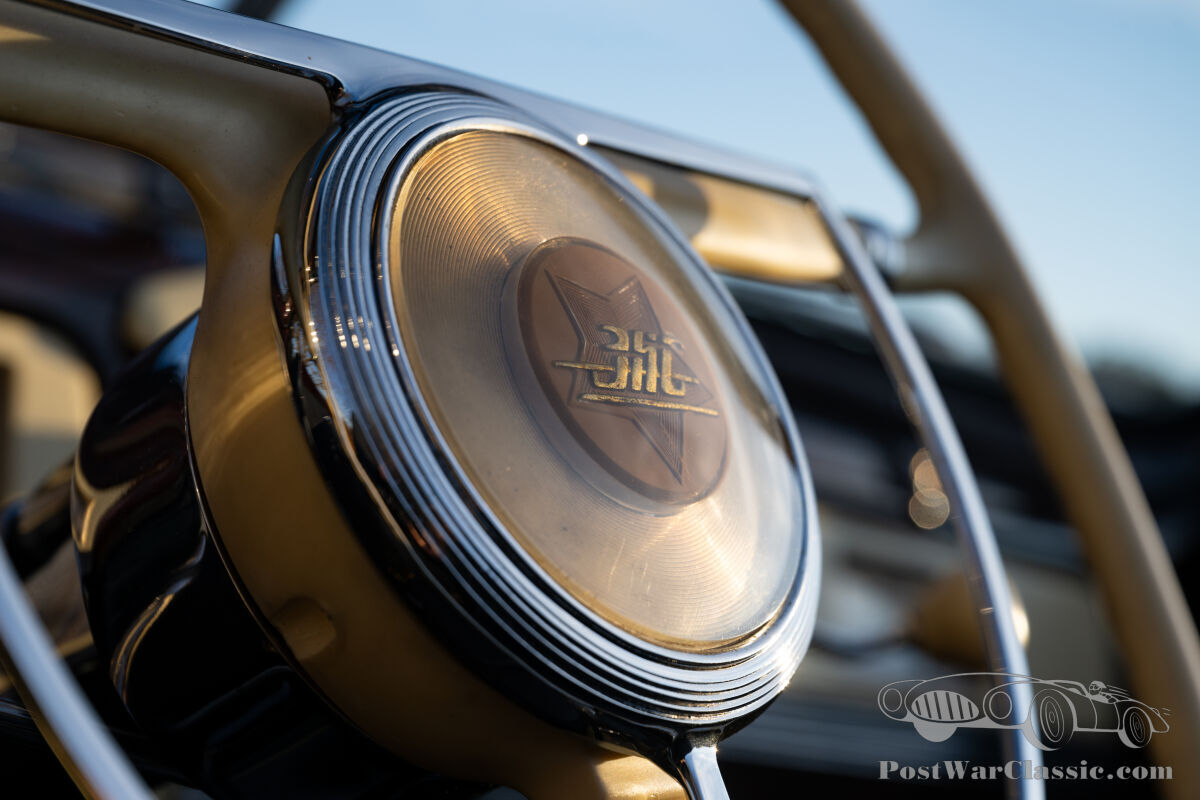
This example, for sale with Laferriere Classic Cars on Rhode Island, is an extremely rare survivor. An estimated two thousand 110s were produced up to 1958, but only a tiny number were built with the convertible top. This one was built in 1950, and in 1955 became one of three phaetons despatched to Kiev, in what was then the Ukrainian Soviet Socialist Republic, for the use of Communist Party top brass. It was eventually retired in 1980, by which time it had become quite antiquated, but it was fortunate insofar that it found its way into preservation in 1986, when it was bought by Valentin Grigorevich Lelichko, of a local historic vehicle society. In 2021, it was sold from Lelichko's estate and subjected to an excellent restoration by Mikhail Beskhrovny. Sadly, but sensibly, the ZIS was shipped out of the Ukraine, where it had seen so much history unfold, following the Russian invasion in 2022, and it is now safely with Laferriere, with the potential for it to be enjoyed at countless tours and concours around America or elsewhere.
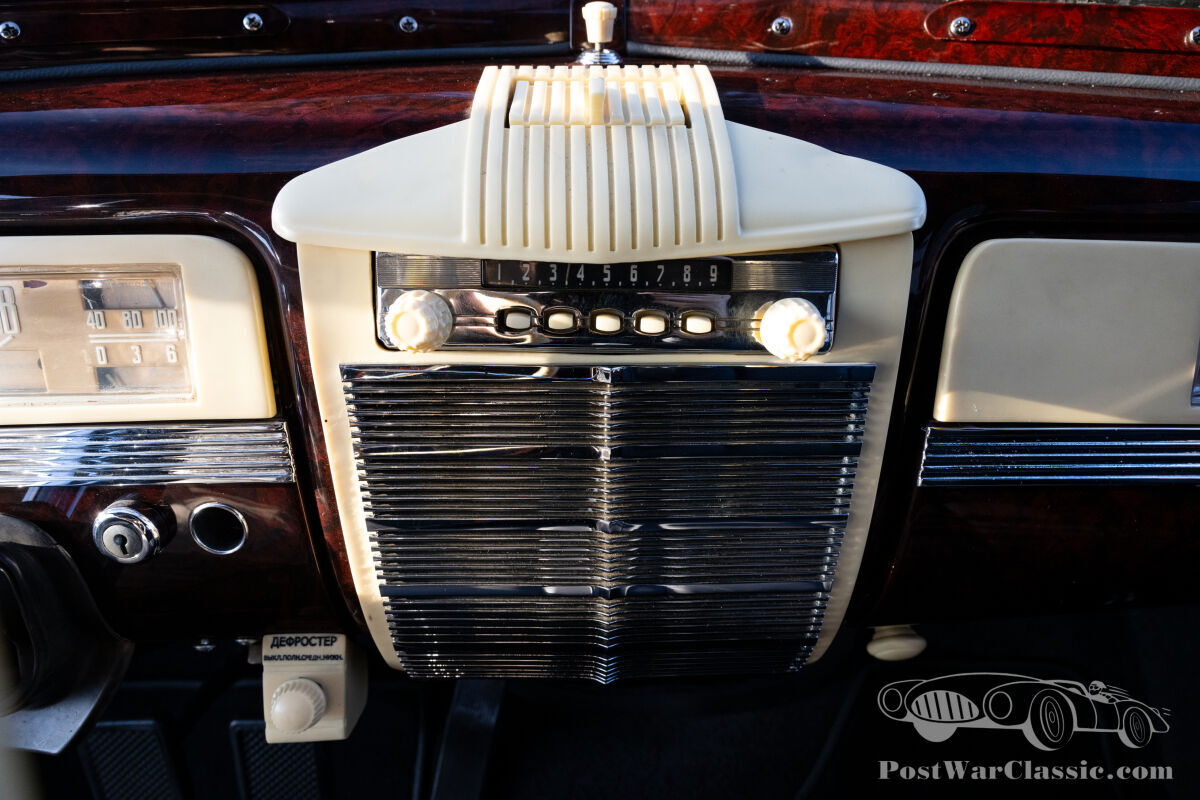
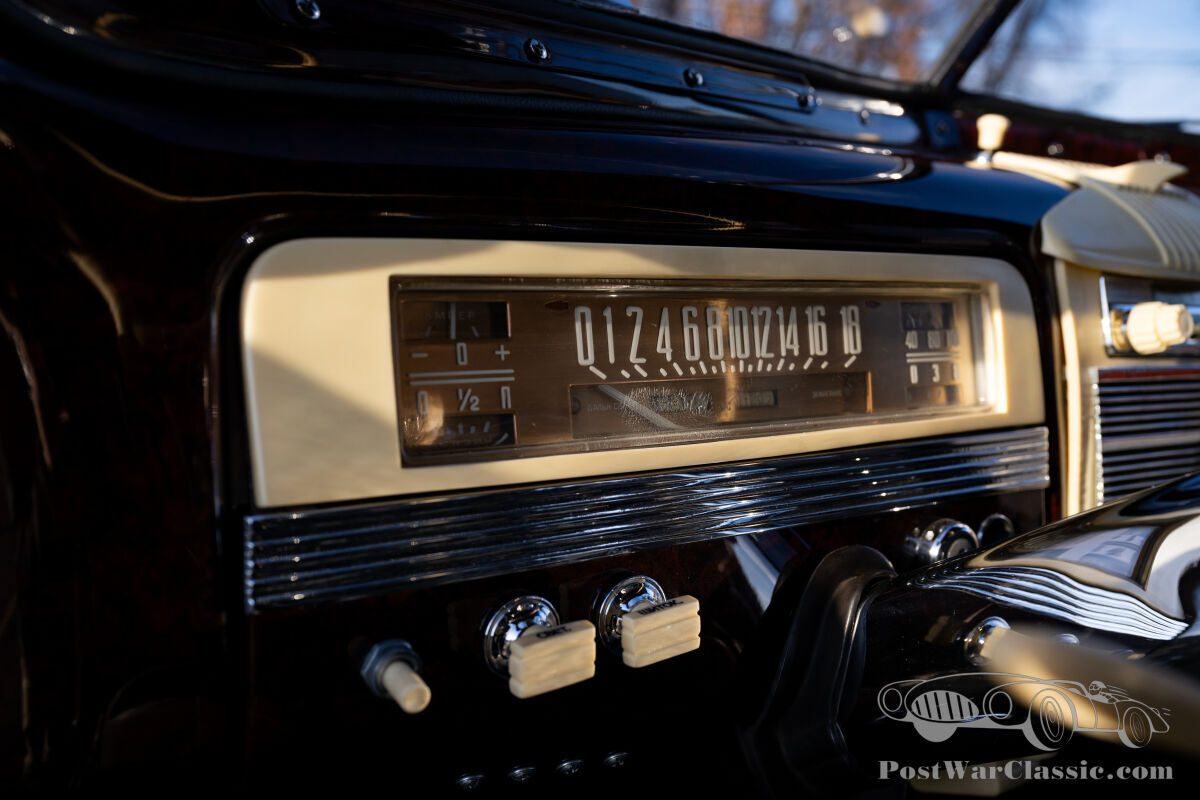
Beautifully presented and appropriately stocked with all sorts of special fittings, including heater vents in the front seats to warm the rear passengers' legs, a removable chrome rail for back of the front seats and occasional seats thought to be for bodyguards. Tom Laferriere reports that it runs and drives very well, and with summer approaching, wouldn't it be wonderful to enjoy the sun in such an unusual car? It's easy to say "You won't find another one like it," but, considering that each ZIS was built essentially to a bespoke specification, it's probably true—you never will see one quite like it.
For more information about this fascinating rarity, see the advert here.
Publiziert:
Montag Mai 20th, 2024
Facebook
LinkedIn
Twitter
WhatsApp
Email
Copy
Kommentare
Stanislav Kirilets
26 Mai 2024, 11:56
AMO is not "Societe" = "Automobile Moskow Work"
Weiter lesen