Das weltweite Magazin und der Marktplatz für Oldtimer-Enthusiasten – von Enthusiasten.
Das weltweite Magazin und der Marktplatz für Oldtimer-Enthusiasten – von Enthusiasten.


Filter
Auswahl treffen
- Autos
-
Marke >>
-
Baujahr >>
-
-
Kategorie >>
-
Länder >>
- Motorräder
-
Baujahr >>
-
-
Standort >>
- Teile
-
Automarke >>
-
Hersteller >>
-
Kategorie >>
-
Länder


An oval dream
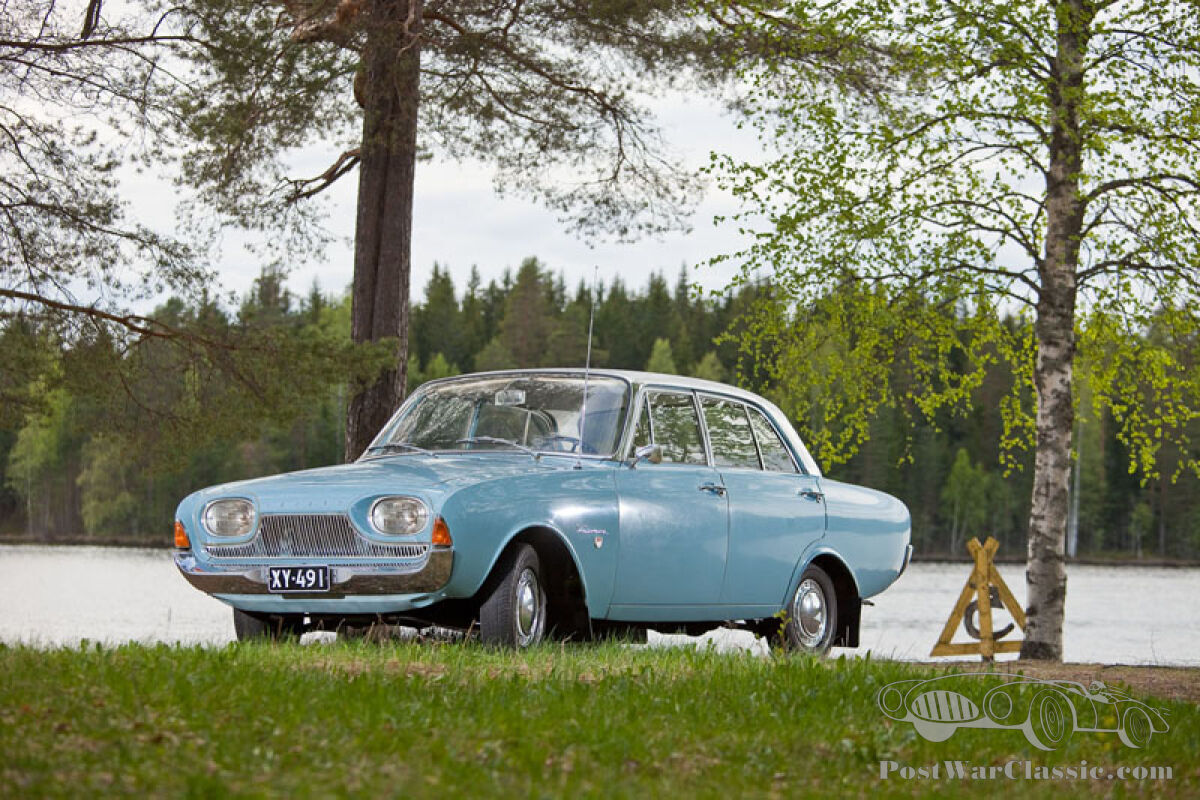
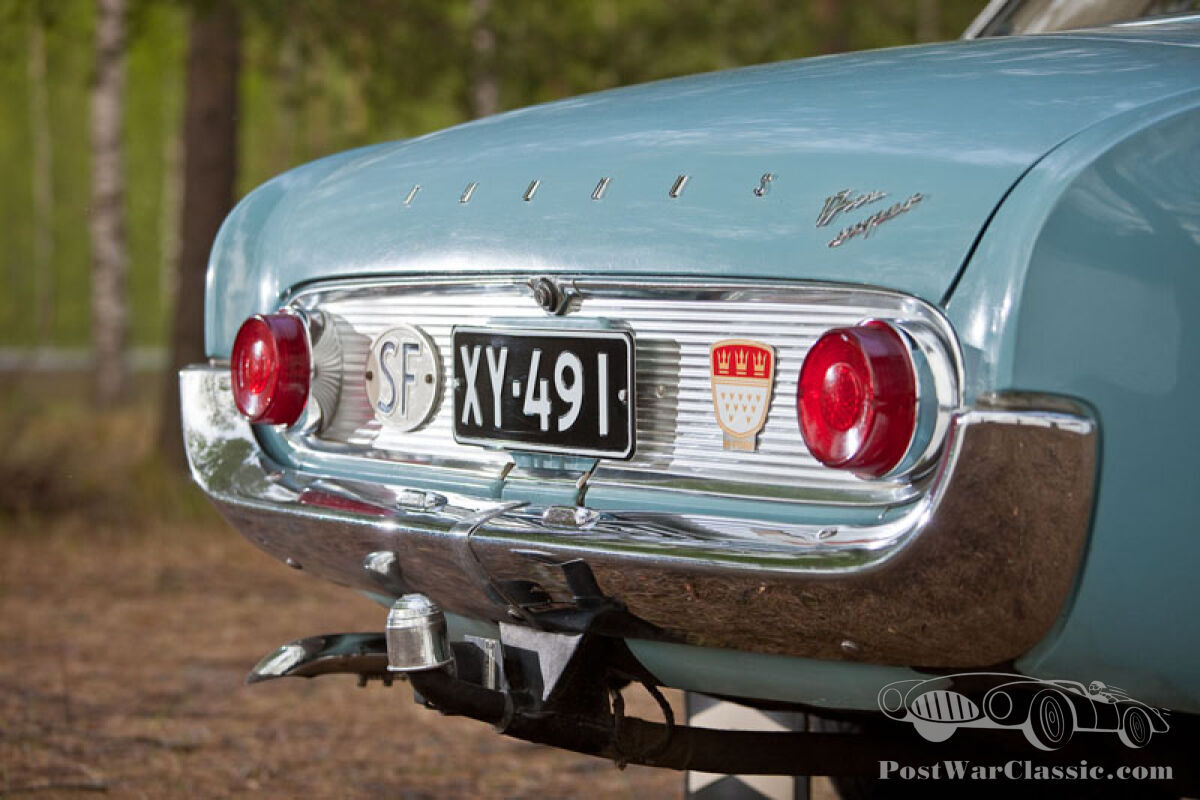


Ford of Germany took a major step to modern style with the third generation of the middle class Taunus, the P3. Combined to robust mechanicals and advanced construction, the design soon proved to be timeless and desired.
When Ford of Germany's newly appointed head of styling, Wesley P. Dahlberg, created the first drafts of the new Taunus 17M in the year 1957, he knew that it meant a total change of the design concept. Instead of the American influenced predecessor with rather heavy lines, the new Taunus would feature ultra modern and clearly European looks.
Inspired slightly by the upcoming Ford Thunderbird, Dahlberg created a clean and unique oval theme throughout the whole car. Despite being radical for a middle class German car, Dahlberg's design was approved by the board of directors. Dahlberg went to great lengths to save details like curved glass and carefully contoured body panels from the company's infamous bean counters and inspired the whole production team to give their best effort. Indeed, they exceeded most expectations in the quality of chassis and body construction as well as in the field of driveability. The latter was tested on the mountaneous island of Corsica during the year 1959.
Despite featuring a slightly larger body and almost identical power train, the new Taunus P3 was considerably faster and had better fuel economy than the predecessor – all thanks to better aerodynamics and more than 100 kilograms in weight savings. Even the new, unique headlights made by Hella were much more efficient than the regular ones before.
When the totally new Taunus generation was introduced to the public in Bonn in October 1960, Henry Ford II and even the chancellor of Germany, Conrad Adenauer, were present to celebrate the 30th anniversary of the Ford of Cologne works. Initially called by the Ford officials as "bratwurst style" due to its round lines, the new Taunus soon got a more approriate nickname, "Badewanne" or "Bathtub".
P3 generation Taunus 17M sold well and the production rate had to be doubled to keep up with the demand. In total, more than 669 000 Sedans, Station Wagons and Vans were made until the next generation replaced it. Dahlberg's vision aged very well and the P3 Taunus has remained popular choice all the time; first as a reliable all around vehicle and then as an enthusiasts' favorite.
The vehicle in these photos has been in the same family since late 1960's and has been driven more than 100 000 kilometers without major mechanical issues. The present owner bought it from his grandfather who had used it mainly as a holiday transportation all over Scandinavia. Corrosion was a common problem to all cars on salty Finnish roads in 1950s and 60s but in this case the only rust damage was found on the left front fender and most of the paint is totally original – as is the interior and all the exterior trims and details. Not bad for a mid range family car of the early 60s!
text: Kimmo Koistinen / Mobilisti photos: Matti Ouvinen / Mobilisti
Full story in the latest Mobilisti magazine. ( in Finnish only)
Publiziert:
Montag Juli 4th, 2016
Facebook
LinkedIn
Twitter
WhatsApp
Email
Copy